
Anti-Inflammatory Foods for Better Health
Discover how the right foods can help reduce inflammation and support your body's natural wellness journey. Learn the science, explore the benefits, and transform your approach to nutrition.
The information on this site is for educational purposes only and does not constitute medical advice. Always consult a qualified healthcare professional before making health decisions.
Why This Matters
Plant-Based Power
Whole foods packed with natural compounds that support your body's wellness
Heart Health
Foods rich in omega-3s and polyphenols that support cardiovascular wellness
Energy & Vitality
Nutrient-dense options that fuel your body naturally throughout the day
Cognitive Support
Research-backed foods that may help support mental clarity and focus
Understanding Inflammation
Inflammation is a natural response of your body's immune system. While short-term inflammation helps protect us from injury and infection, ongoing low-level inflammation can affect many aspects of our wellbeing.
The foods we choose daily play a significant role in how our body manages this inflammatory response. Certain foods contain bioactive compounds—antioxidants, polyphenols, and omega-3 fatty acids—that may help support your body's natural balance.
By learning which foods to emphasise and which to moderate, you can create a dietary approach that works for your unique body and lifestyle.
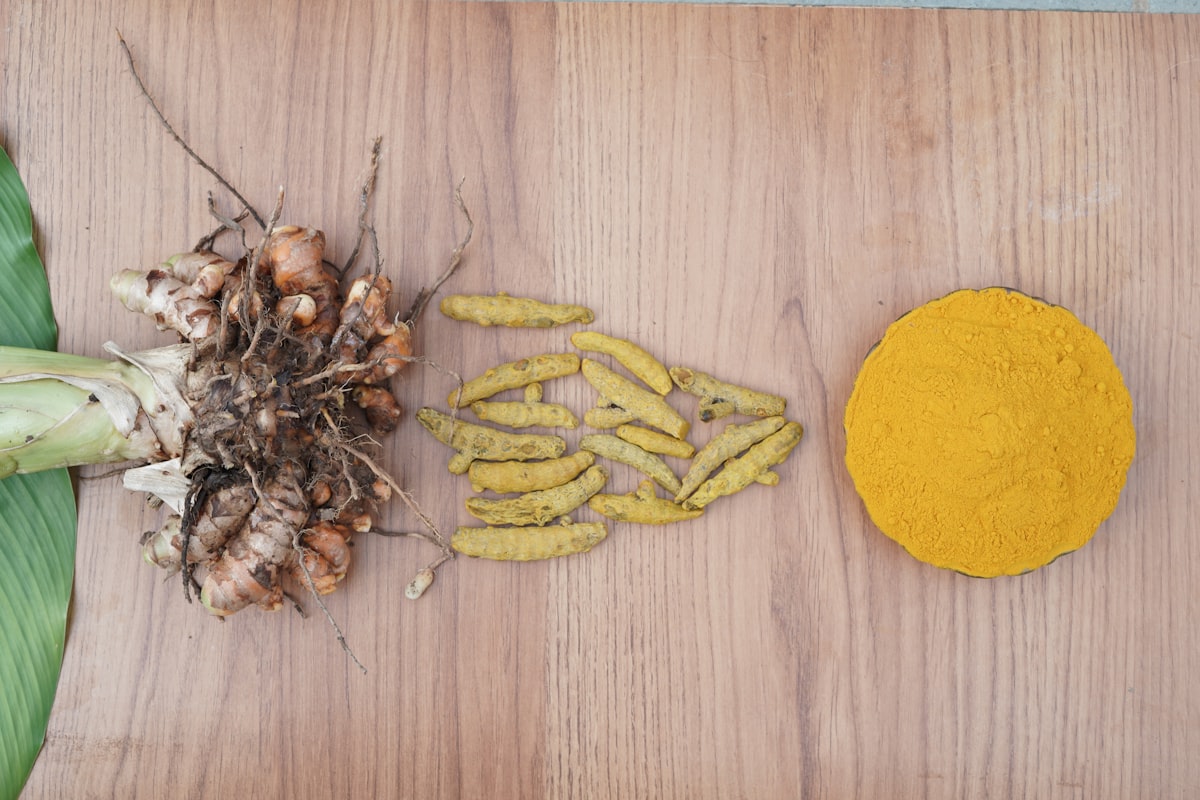
Key Anti-Inflammatory Features
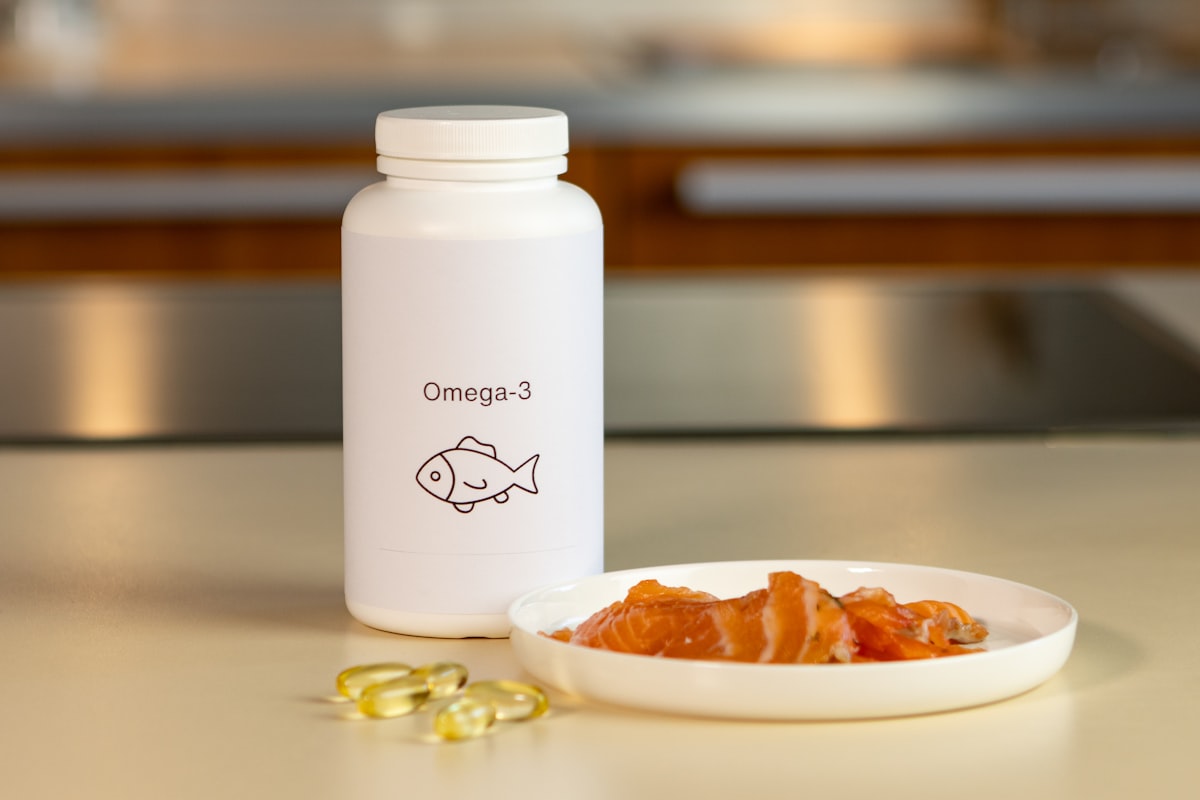
Omega-3 Fatty Acids
Found in fatty fish, seeds, and nuts, omega-3s are key compounds that support a balanced inflammatory response. These essential fats play crucial roles in numerous body functions and are particularly important for cardiovascular and cognitive wellbeing.
Best sources: Salmon, mackerel, walnuts, flaxseeds, chia seeds
Antioxidant-Rich Foods
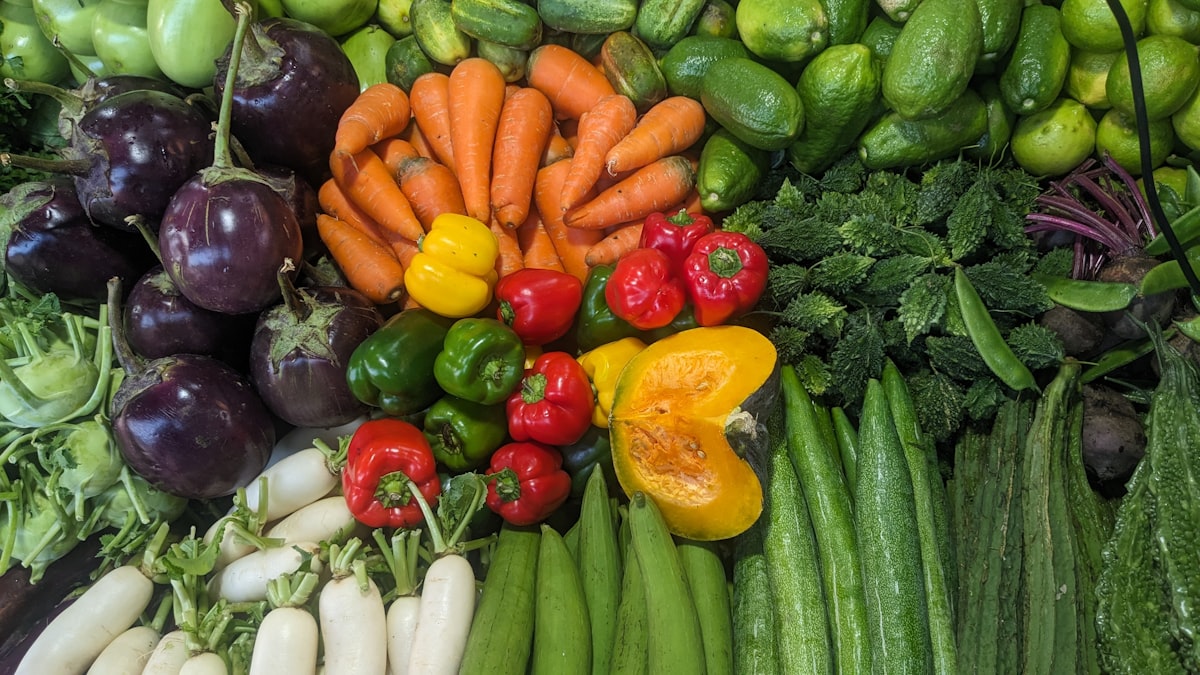
Antioxidants help neutralise free radicals in your body. Brightly coloured fruits and vegetables—from deep purples to vibrant oranges—contain powerful compounds that support your body's natural defences and overall wellness.
Best sources: Berries, dark leafy greens, pomegranate, purple grapes
Polyphenol Compounds
These powerful plant compounds are found in abundance in herbs, spices, and whole grains. They've been extensively studied for their role in supporting the body's natural balance and promoting overall wellbeing.
Best sources: Green tea, turmeric, ginger, olive oil, dark chocolate
Whole Grain Benefits
Unlike refined grains, whole grains retain their fibre, vitamins, and minerals. The fibre supports digestive wellness, while the nutrients work together to help maintain your body's natural balance.
Best sources: Brown rice, oats, quinoa, whole wheat, barley
Hydration & Minerals
Water and mineral-rich foods support every body function, including the systems involved in managing inflammation. Proper hydration and electrolyte balance are foundational to wellness.
Best sources: Water, coconut water, leafy greens, cucumber, watermelon
Carotenoids & Vitamins
Beta-carotene, lycopene, and vitamins A, C, and E work synergistically to support your body's resilience. These fat-soluble nutrients are best absorbed when paired with healthy fats.
Best sources: Carrots, sweet potato, tomatoes, spinach, kale
Top Anti-Inflammatory Superfoods
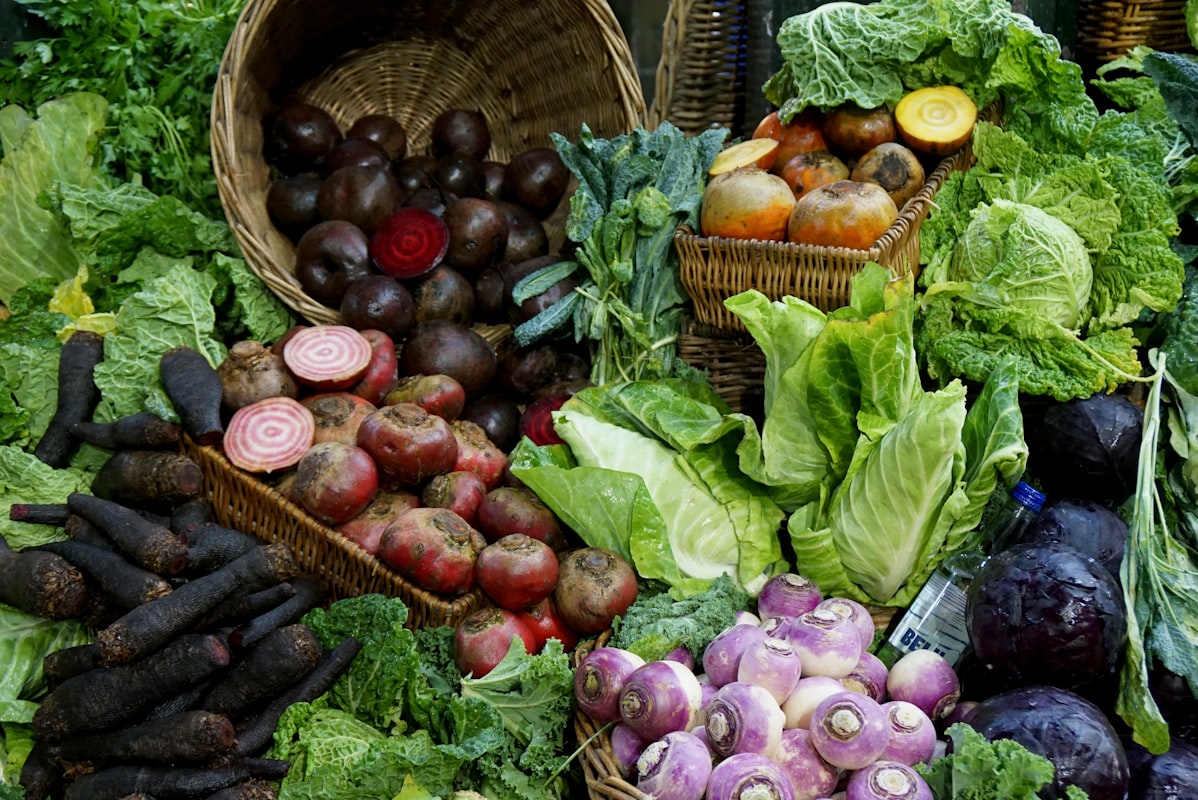
Blueberries
Packed with anthocyanins, these berries are among the most researched foods for their antioxidant properties. They're versatile, delicious, and work beautifully in breakfasts, smoothies, or as a simple snack.
Key compound: Anthocyanins
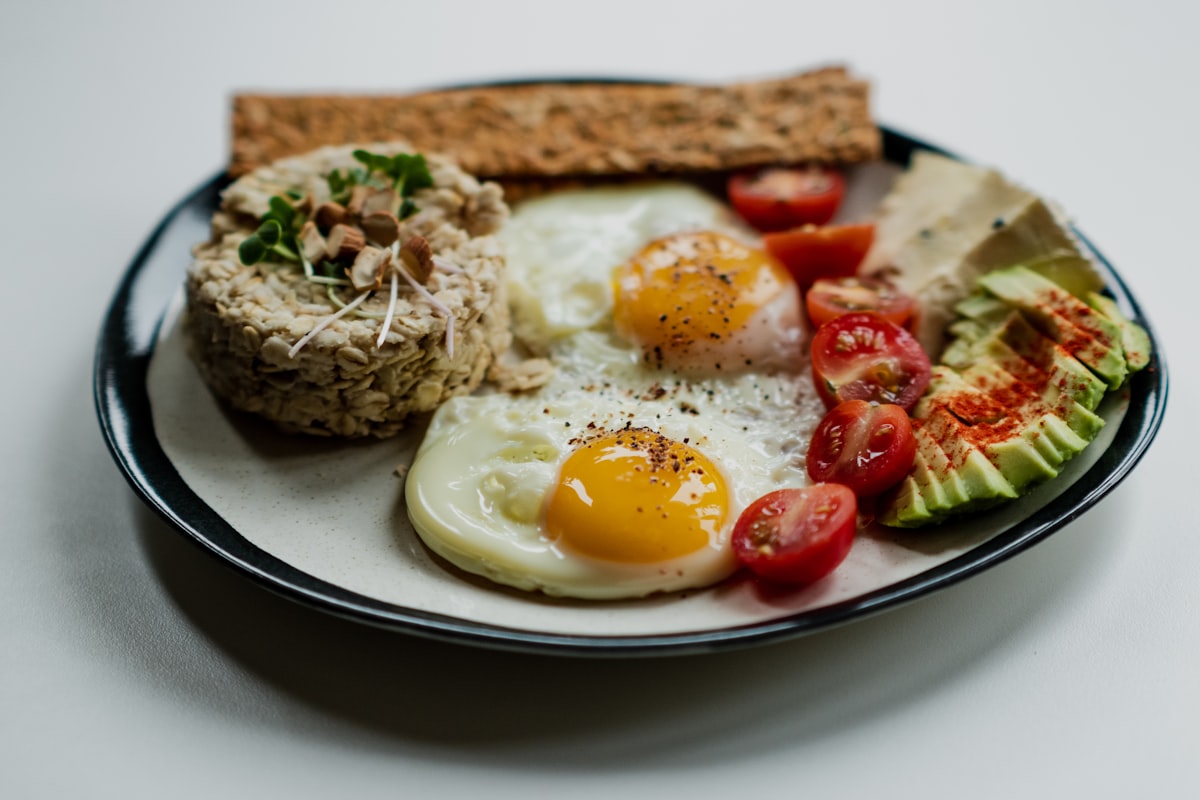
Fatty Fish (Salmon)
An excellent source of EPA and DHA omega-3 fatty acids, salmon is perhaps one of the most well-documented foods for supporting a balanced inflammatory response. Aim for two servings weekly.
Key compound: Omega-3 fatty acids (EPA/DHA)
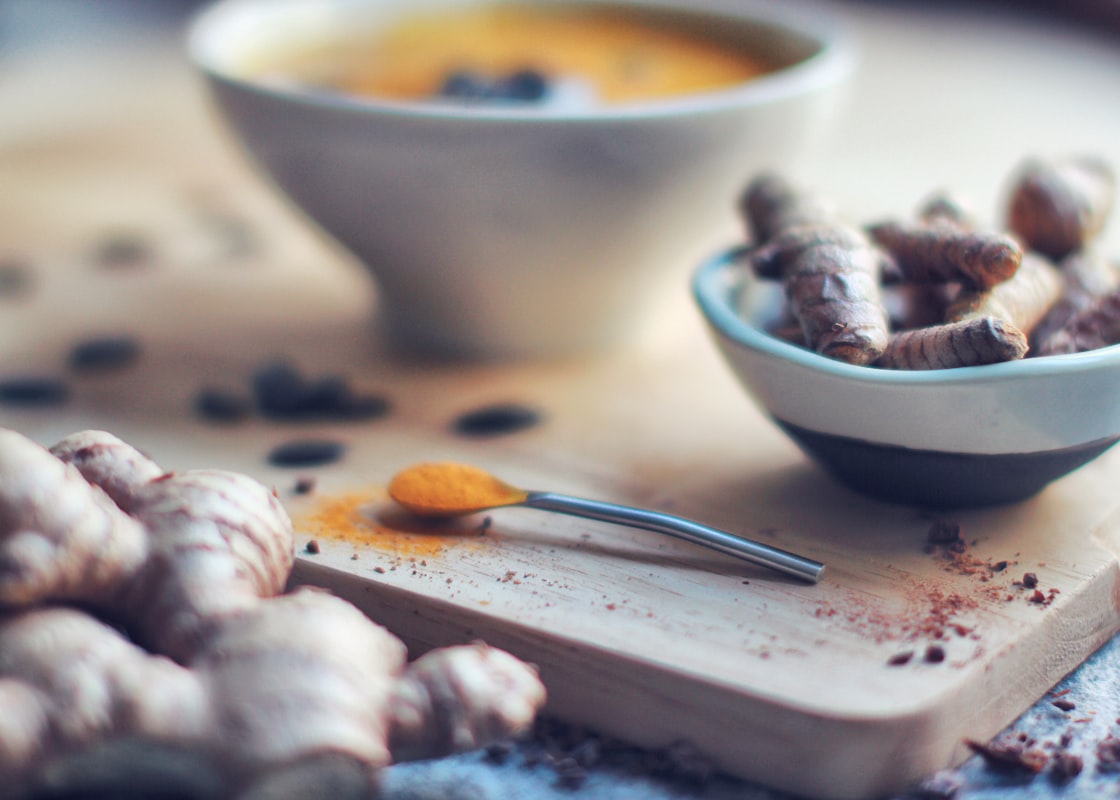
Dark Leafy Greens
Spinach, kale, and other dark greens are nutritional powerhouses loaded with vitamins A, C, K, and numerous phytonutrients. They're low in calories and exceptionally high in nutrient density.
Key compound: Lutein, vitamins, minerals
Turmeric
This golden spice contains curcumin, one of the most studied compounds in nutritional science. Pair it with black pepper to enhance absorption and enjoy it in curries, soups, or golden milk.
Key compound: Curcumin
Extra Virgin Olive Oil
A cornerstone of the Mediterranean diet, extra virgin olive oil contains oleocanthal and polyphenols. Use it raw on salads or lightly drizzle over cooked vegetables for maximum benefits.
Key compound: Oleocanthal, polyphenols
Green Tea
A beverage loaded with EGCG and other catechins, green tea has been studied extensively for its potential wellness benefits. Enjoy it hot or cold throughout the day for hydration and nutrition.
Key compound: EGCG, catechins
The Anti-Inflammatory Approach vs Traditional Eating
Anti-Inflammatory Focused
- Whole, minimally processed foods rich in natural compounds
- Emphasis on colourful fruits and vegetables for maximum nutrient diversity
- Healthy fats from nuts, seeds, and fish for omega-3 balance
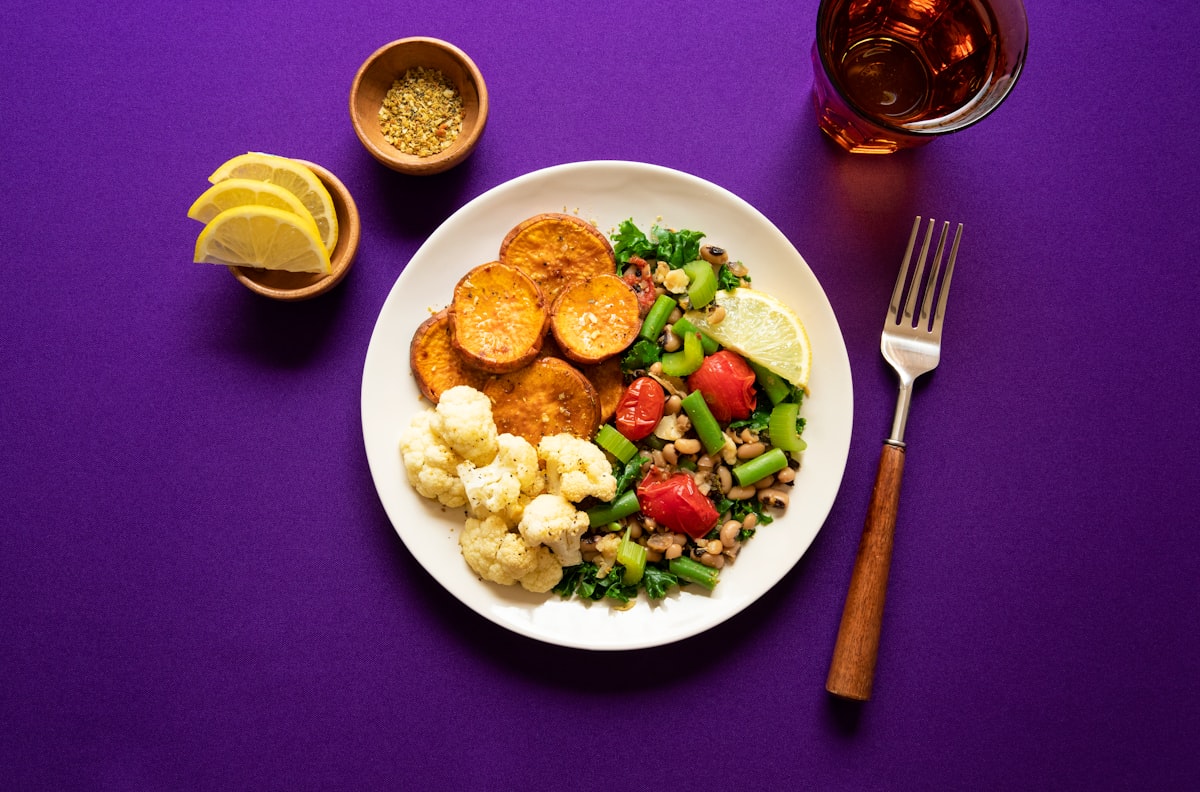
- Moderate whole grains and legumes for sustained energy and fibre
- Herbs and spices celebrated for their bioactive compounds
- Cooking methods that preserve nutrients (steaming, roasting, gentle sautéing)
Standard Western Diet Patterns
- Processed foods with refined oils and added sugars
- Limited variety of produce; heavy reliance on starchy vegetables
- Excess saturated fats and omega-6 imbalance from processed foods
- Refined grains and processed snacks dominate meals and snacking
- Minimal use of beneficial herbs and spices beyond salt
- High-heat cooking and frying that may damage nutrients
Your Path to Better Health
Learn the Foundations
Start by understanding which foods contain the compounds that support your body's natural balance. Browse our extensive article collection to build your knowledge of anti-inflammatory nutrition. Knowledge is the first step toward sustainable change.
Explore Delicious Recipes
Eating well shouldn't feel like a sacrifice. Our recipe collection demonstrates that anti-inflammatory eating is flavourful, satisfying, and enjoyable. From breakfast ideas to complete dinner plans, discover meals your whole family will love while supporting your wellness goals.
Make Gradual Changes
You don't need to overhaul your diet overnight. Start by swapping one or two meals per week with anti-inflammatory options. Add one new food at a time. Small, consistent changes create lasting habits that compound into meaningful wellness benefits.
Track Your Progress
Notice how you feel as you incorporate more anti-inflammatory foods. Pay attention to energy levels, digestion, sleep quality, and overall wellbeing. Many people report feeling noticeably better within weeks of consistent dietary adjustments. Keep a simple journal to document your observations.
Build Your Sustainable Lifestyle
As anti-inflammatory eating becomes your new normal, you'll find it increasingly easy to maintain. Return to our articles and recipes whenever you need inspiration or want to deepen your understanding. Connect with our community for support and fresh ideas on your wellness journey.
Real Stories from Our Community
"I've learned more about nutrition from Foodnutritionbalance than I ever did from anywhere else. The articles are thoroughly researched, the recipes are actually delicious, and I feel genuinely better since making these changes. This isn't just diet information—it's a complete wellness approach."
Sarah Mitchell
Manchester, United Kingdom
"My whole family has benefited from this resource. We've tried several recipes and they're genuinely tasty—my kids actually enjoy the meals. I appreciate how the information is presented without judgment or extreme restrictions. It feels sustainable."
James Patterson
Bristol, United Kingdom
"I was sceptical at first, but the science behind these recommendations is solid. The articles explain the 'why' behind each food recommendation, which helped me understand and commit to the approach. After six weeks, the difference in my energy and digestion is remarkable."