
Anti-Inflammatory Foods for Better Health
Explore our comprehensive guide to foods that help reduce inflammation naturally. Discover science-backed information about how dietary choices support overall wellness and vitality.
The information on this site is for educational purposes only and does not constitute medical advice. Always consult a qualified healthcare professional before making health decisions.
Browse by Category
Essential Anti-Inflammatory Foods
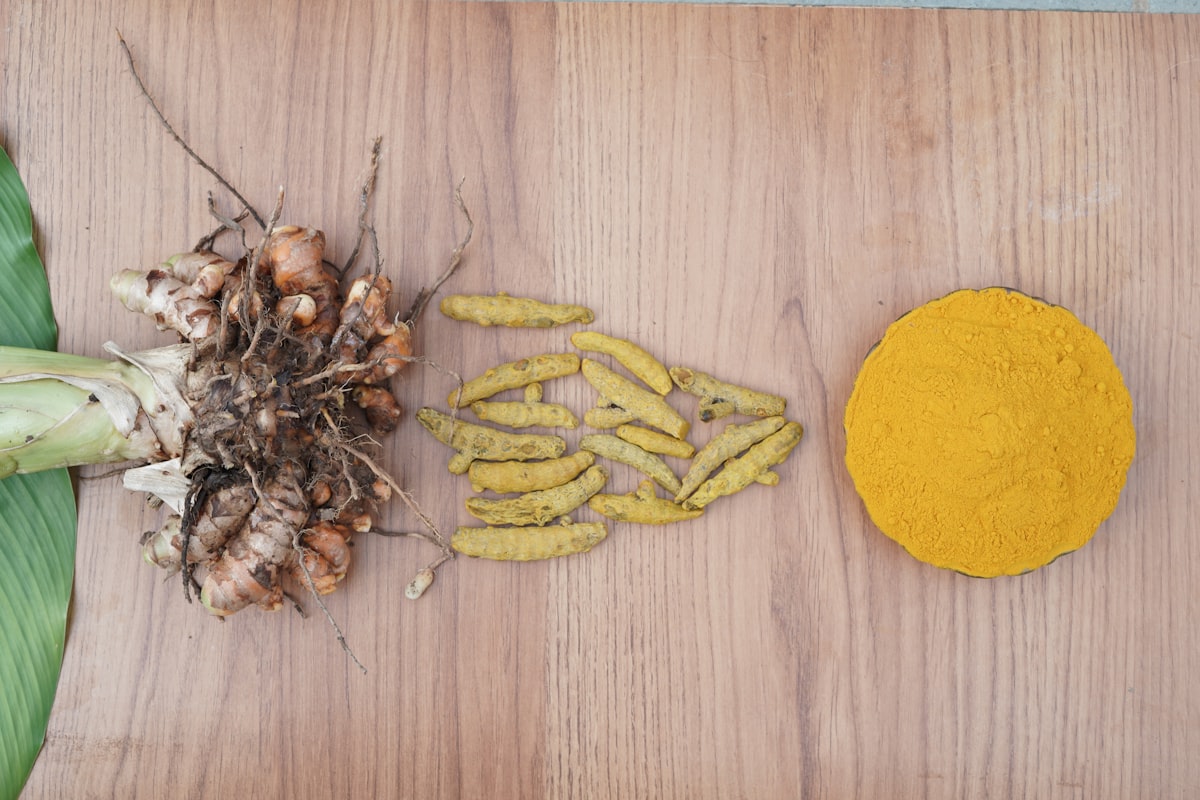
Berries
Blueberries, strawberries, and raspberries are rich in anthocyanins and vitamin C. These powerful antioxidants help reduce inflammatory markers in the body and support immune function naturally.
Learn More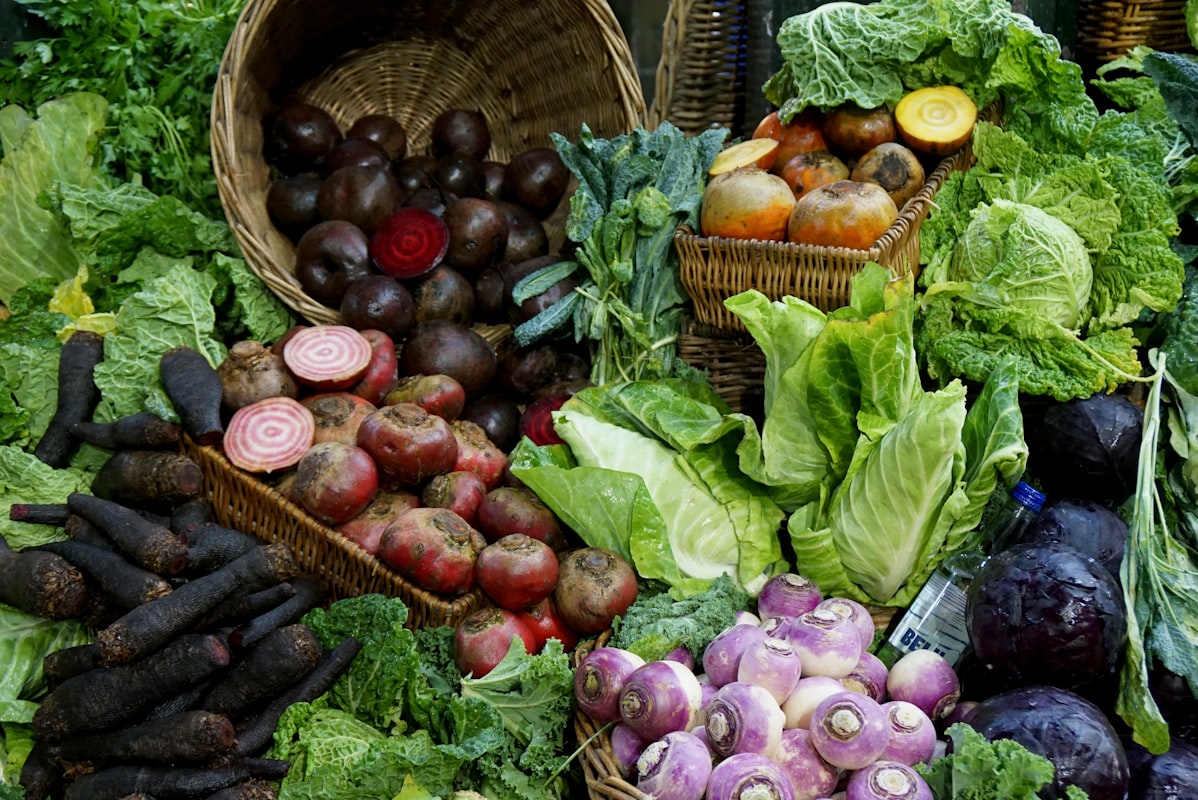
Fatty Fish
Salmon, mackerel, and sardines contain omega-3 fatty acids that actively work to reduce inflammatory responses throughout the body. These beneficial fats support heart and joint health effectively.
Learn More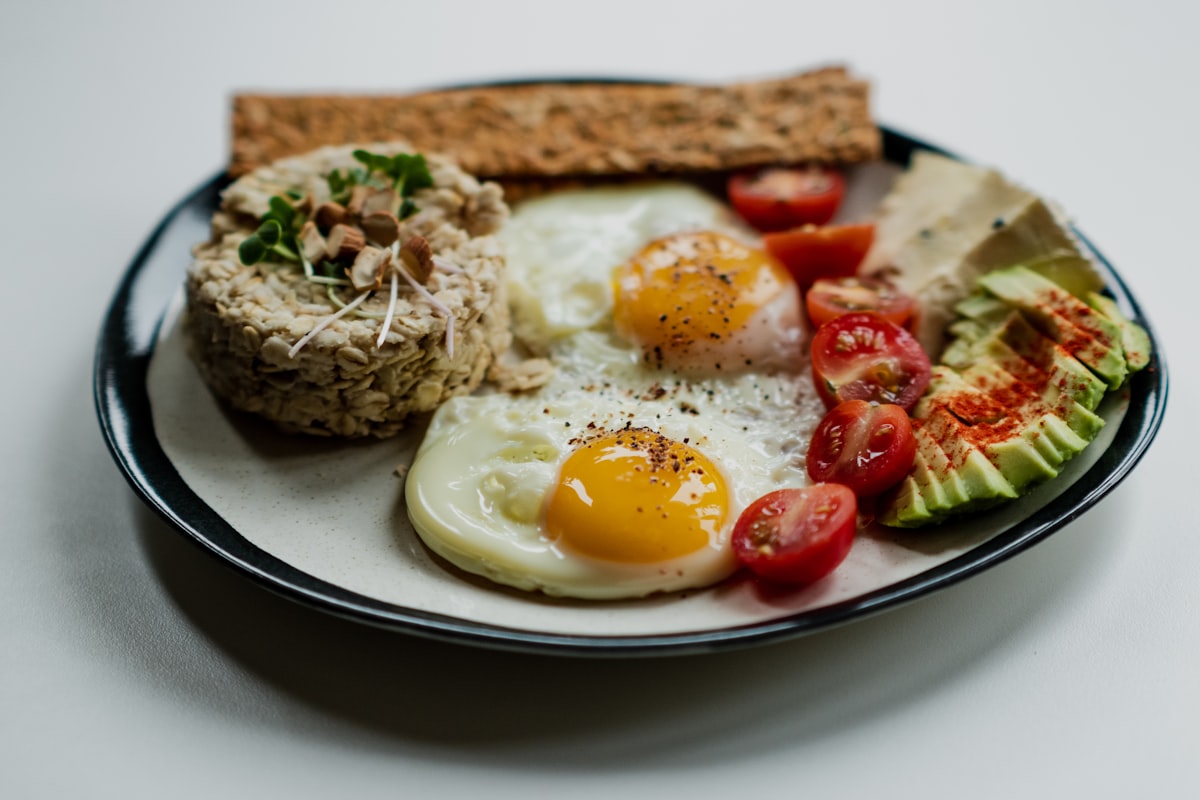
Leafy Greens
Spinach, kale, and Swiss chard are packed with vitamins K and A, which support healthy cell function and reduce inflammatory markers. They're foundational to any wellness-focused diet.
Learn More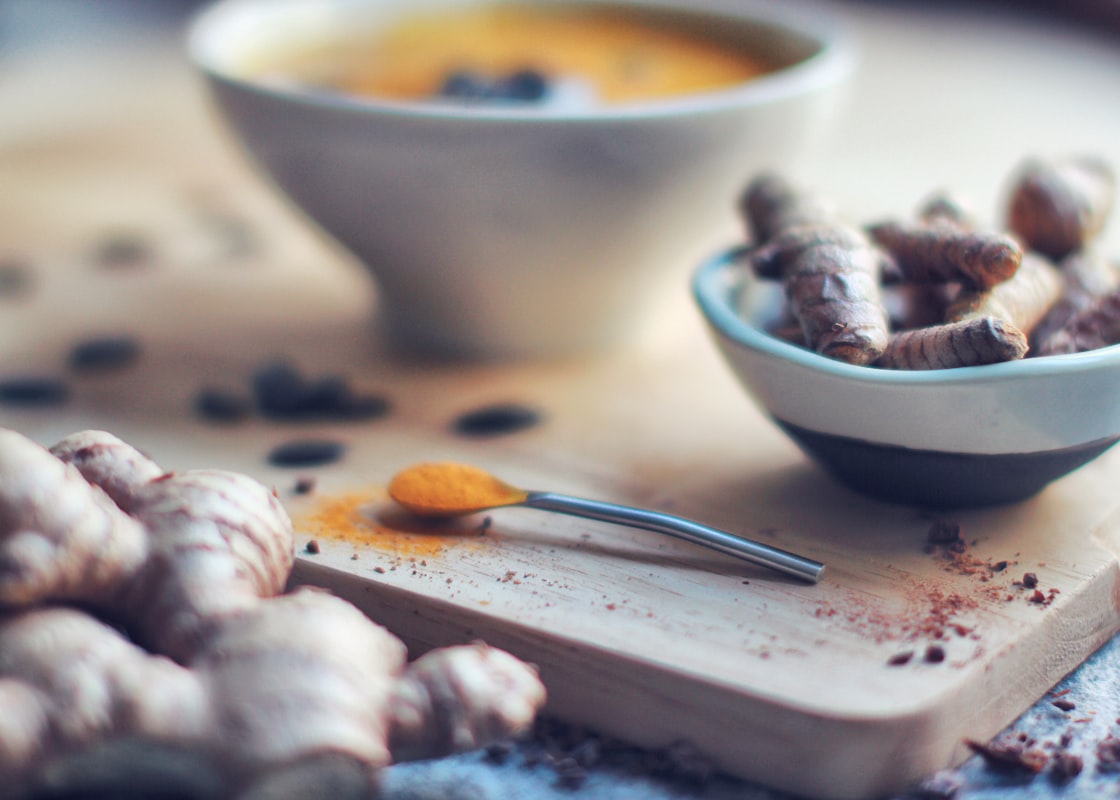
Turmeric & Ginger
Turmeric contains curcumin, a compound studied for its potent anti-inflammatory properties. Ginger offers complementary benefits and together they've been valued for centuries in wellness practices.
Learn More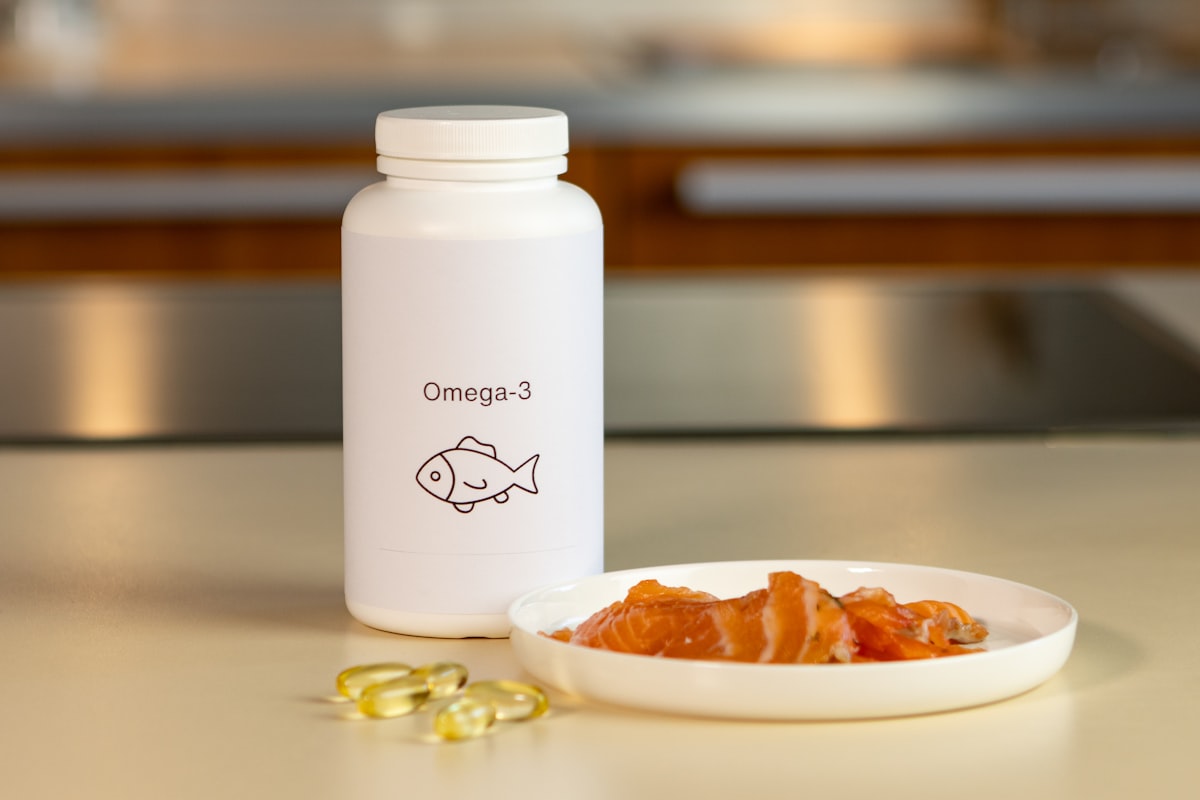
Extra Virgin Olive Oil
Rich in polyphenols and oleocanthal, extra virgin olive oil offers protective compounds that support cardiovascular health. It's a cornerstone of the Mediterranean dietary approach recognised for wellness benefits.
Learn More
Nuts & Seeds
Almonds, walnuts, and flaxseeds deliver omega-3s, fibre, and magnesium. These nutrient-dense foods support overall wellness and provide sustained energy without inflammatory spikes.
Learn More
Tomatoes
Lycopene in tomatoes is a potent antioxidant that supports cellular health and normal inflammatory responses. Cooked tomatoes release this compound more effectively for better absorption.
Learn More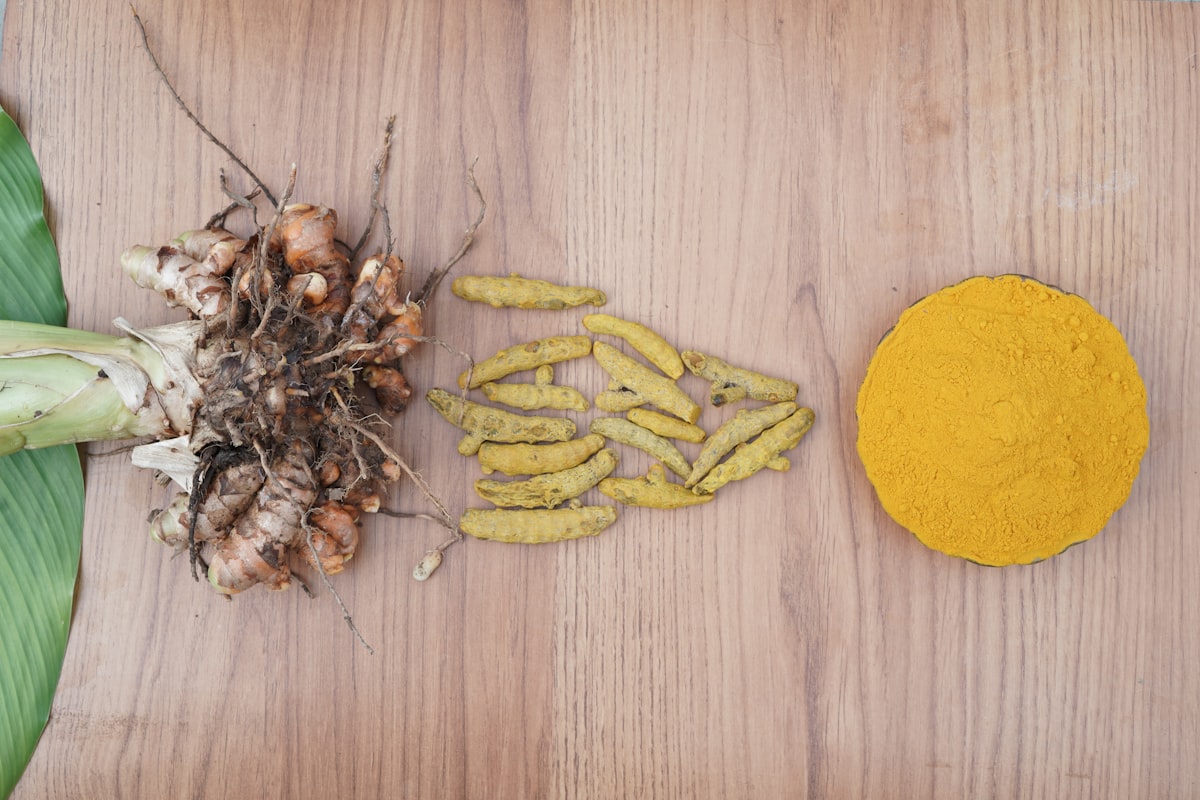
Green Tea
EGCG and other polyphenols in green tea provide antioxidant support and may help maintain healthy inflammatory responses. A simple daily beverage that complements any wellness routine.
Learn MoreIncorporating Anti-Inflammatory Foods Into Your Routine
Building a diet rich in anti-inflammatory foods doesn't require dramatic changes. Start by making gradual substitutions and additions that feel natural for your lifestyle and preferences.
The key is consistency and variety. By rotating through different anti-inflammatory foods, you ensure a broad spectrum of nutrients and beneficial compounds. Small, sustainable changes often create the most meaningful long-term results.
Start With Breakfast
Add berries and nuts to your morning oats or yoghurt for an immediate boost of anti-inflammatory compounds.
Build Balanced Meals
Combine fatty fish or plant proteins with leafy greens and olive oil for meals that support whole-body wellness.
Experiment With Herbs
Use turmeric, ginger, and other anti-inflammatory spices liberally in cooking for flavour and nutritional benefit.
Hydrate Intentionally
Replace sugary drinks with green tea, water with lemon, or herbal infusions throughout your day.
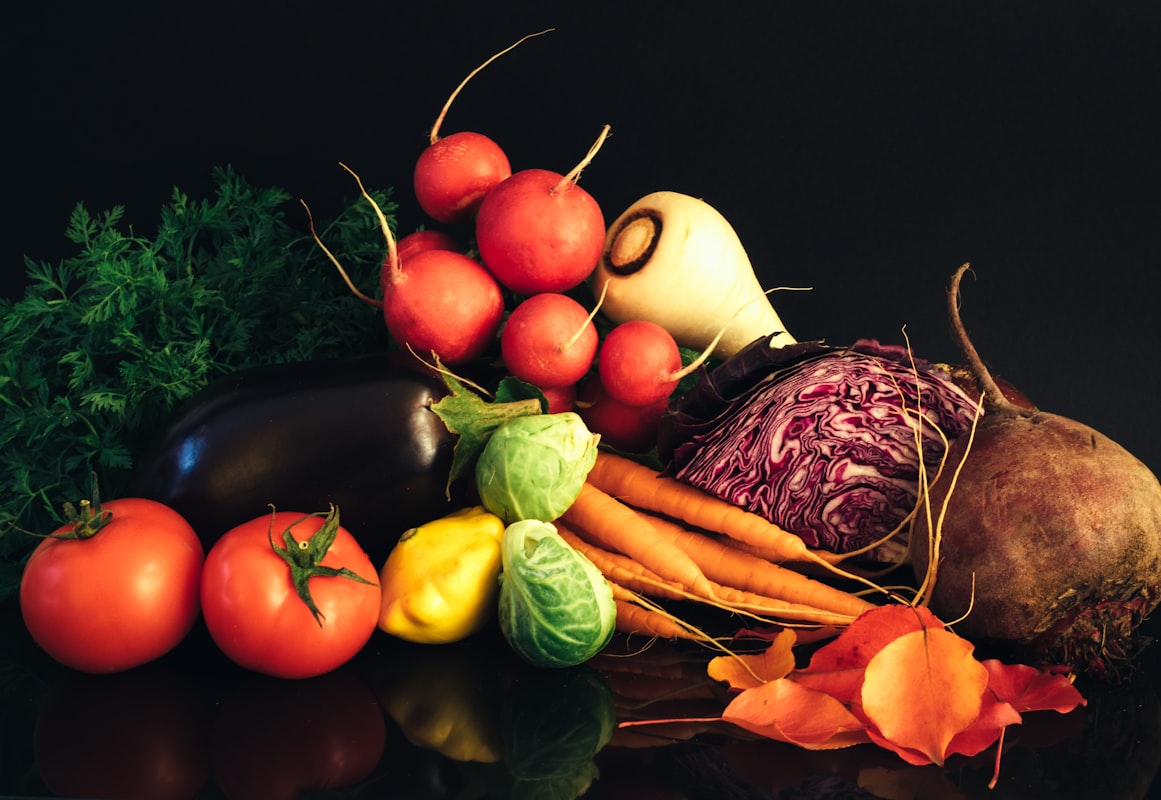
Understanding the Role of Inflammation
Cardiovascular Support
Anti-inflammatory foods help maintain healthy blood vessels and normal circulation patterns. A diet rich in these foods supports cardiovascular wellness and energy levels throughout your day.
Cognitive Function
Compounds in anti-inflammatory foods, particularly omega-3s and antioxidants, support brain health and mental clarity. They promote focus and overall cognitive well-being naturally.
Energy & Mobility
When your body's inflammatory responses are well-balanced, you naturally experience more vitality and comfort during daily activities. Movement becomes easier and more enjoyable.
Ready to Explore Anti-Inflammatory Recipes?
Visit our recipe collection to discover delicious meals and snacks that naturally incorporate these beneficial foods. Each recipe is designed to be practical and enjoyable for everyday cooking.
Frequently Asked Questions
Changes happen at different rates for different people. Most individuals notice subtle improvements in energy and wellbeing within 2-3 weeks of consistent dietary adjustments. More significant changes typically develop over 8-12 weeks as your body adapts. Consistency matters more than perfection — steady choices compound into real results.
Absolutely. This isn't about restriction but rather making intentional choices and creating balance. Focus on adding anti-inflammatory foods rather than rigidly eliminating others. Many of these foods are genuinely delicious — berries, olive oil, grilled fish, fresh herbs. You'll likely find yourself enjoying meals more as you experiment with new flavours and combinations.
Yes, frozen vegetables retain their nutrient content extremely well. They're often frozen at peak ripeness, which locks in antioxidants and vitamins. For convenience and consistency, frozen produce is an excellent choice. Frozen berries, spinach, and mixed vegetables work beautifully in recipes and are often more affordable than fresh options.
Cooking methods matter. Gentle methods like steaming, baking, and poaching preserve nutrients better than very high-heat frying. Olive oil is excellent for lower-temperature cooking and drizzling. Slow cooking with herbs like turmeric and ginger enhances both flavour and beneficial compounds. Focus on simple preparation that highlights natural ingredients.
Many people find that eating whole, nutrient-dense anti-inflammatory foods naturally supports a healthy weight. These foods are typically filling, satisfying, and provide sustained energy without energy crashes. Whole foods like vegetables, fish, nuts, and seeds promote fullness and reduce cravings for processed options that often contain excess calories and inflammatory ingredients.
Rather than rigid plans, think about guiding principles. Focus on whole foods, plenty of vegetables and fruits, quality proteins, and healthy fats. The Mediterranean approach, which emphasises olive oil, fish, and vegetables, has strong research support. However, the best approach is one you can sustain. Personalise it to your tastes, culture, and lifestyle for lasting success.
What Our Readers Share
"The food guide on Foodnutritionbalance has been incredibly helpful to our readers. I started incorporating more berries and leafy greens into my meals, and the practical suggestions made it easy to transition without feeling overwhelmed. The information is clear and actionable."
Sarah Mitchell
Manchester, UK
"I appreciate how the articles explain the science behind anti-inflammatory foods without being overly technical. The recipes have been a game-changer for my family. We're all eating better and enjoying our meals more than ever."
James Wong
London, UK
"What impressed me most is the honest, evidence-based approach. No unrealistic promises — just solid information about foods that genuinely support wellness. The FAQ section answered questions I didn't even know I had."
Emma Roberts
Bristol, UK
"The content has genuinely changed how I shop and prepare food. I'm making more informed choices about what goes into my body. The guides are accessible whether you're starting from scratch or already interested in nutrition."
David Chen
Edinburgh, UK
Start Your Journey to Better Nutrition Today
Join thousands of people transforming their relationship with food through evidence-based guidance and practical tips.
Frequently Asked Questions
Our content is created by registered dietitians and certified nutrition specialists with years of clinical and research experience. All recommendations are backed by peer-reviewed scientific literature and current dietary guidelines.
Yes! We provide comprehensive guides for various dietary needs including vegetarian, vegan, gluten-free, dairy-free, and allergen-conscious eating. Each guide includes practical tips, meal ideas, and nutritional information tailored to specific restrictions.
We regularly update our guides and articles to reflect the latest nutrition research and dietary guidelines. New content is added weekly, and existing guides are reviewed and updated at least quarterly to ensure accuracy and relevance.
Our content is educational and informational in nature. While we provide evidence-based nutrition guidance, it should not replace professional medical advice. Always consult with your healthcare provider or registered dietitian before making significant dietary changes, especially if you have existing health conditions.
Our website is fully responsive and optimized for mobile devices. Premium subscribers can download guides and articles for offline reading. We're also developing dedicated mobile apps for iOS and Android, coming soon to make accessing nutrition information even more convenient.
Making nutrition knowledge accessible to everyone, one balanced choice at a time.
Resources
© 2024 FoodNutritionBalance – VAT: GB424 3096 11. All rights reserved.